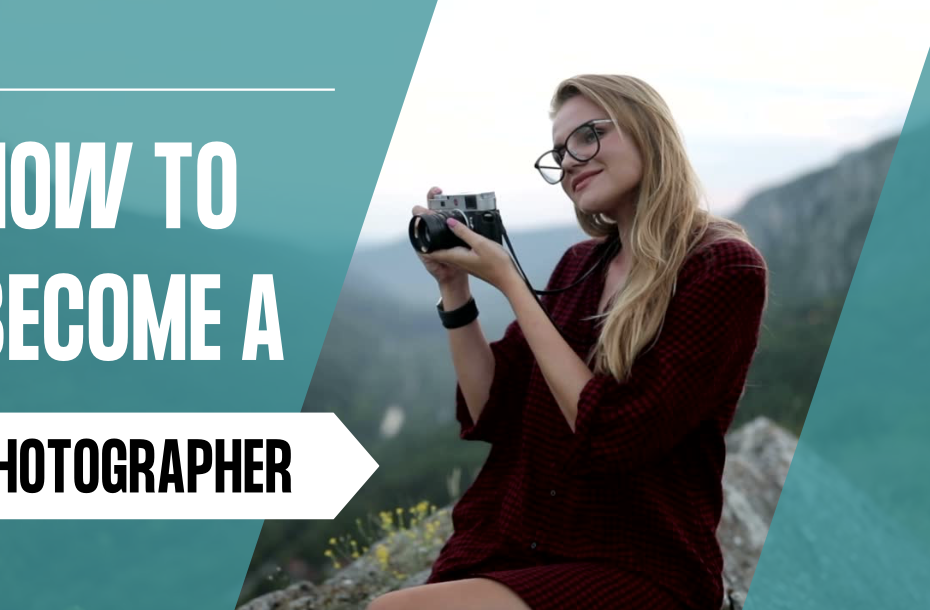
Becoming a photographer is about more than owning a camera. It’s a mix of learning how light works, developing a creative eye, practicing consistently, and slowly building confidence in your skills. Whether photography starts as a hobby or a long-term career goal, the path follows the same core steps. Below is a clear, practical guide on how to become a photographer.
Learn the Basics of Photography
Before worrying about gear or social media, focus on how photography actually works. Understanding fundamentals gives you control over your images instead of relying on auto settings.
Key concepts to learn:
- Exposure triangle: aperture, shutter speed, and ISO
- Focus and depth of field
- Lighting: natural light vs. artificial light
- Composition: rule of thirds, leading lines, framing, and balance
You can learn these through free online tutorials, photography books, or beginner courses. Practice each concept individually so it becomes second nature.
Start With the Gear You Can Afford
You don’t need the most expensive camera to become a photographer. Many professionals started with basic equipment.
What matters most:
- A camera that allows manual control (DSLR, mirrorless, or even an advanced phone)
- One versatile lens (often a 35mm or 50mm prime)
- A basic tripod
- Extra batteries and memory cards
As your skills improve, you’ll better understand which gear upgrades actually benefit your photography style.
Practice Consistently
Photography improves through repetition. The more you shoot, the more you learn how light, timing, and angles affect your images.
Ways to practice:
- Take your camera everywhere
- Set weekly photo challenges
- Recreate photos you admire
- Shoot the same subject in different lighting conditions
- Review your photos critically
Mistakes are part of the learning process. Every “bad” photo teaches you something valuable.
Find Your Photography Style
Over time, patterns will appear in your work. You might gravitate toward portraits, landscapes, food photography, travel, or lifestyle images.
To develop your style:
- Study photographers you admire
- Notice what subjects excite you
- Pay attention to your editing preferences
- Shoot what feels natural, not just what’s popular
Style develops organically through practice, not pressure.
Learn Basic Photo Editing
Editing is an essential part of modern photography. It helps refine color, exposure, and mood while maintaining realism.
Start with:
- Cropping and straightening
- Exposure and contrast adjustments
- White balance correction
- Light retouching
Popular beginner tools include Lightroom, Photoshop, and mobile editing apps. Focus on enhancing photos rather than over-editing them.
Build a Simple Portfolio
A portfolio shows your best work, not all your work. Quality matters more than quantity.
Tips for building a portfolio:
- Select 10–20 strong images
- Keep the style cohesive
- Update it as your skills improve
- Create a simple website or use a portfolio platform
Your portfolio will evolve as you grow, and that’s a good sign.
Share Your Work and Get Feedback
Sharing your photos helps you gain confidence and learn from others. Feedback can highlight strengths you didn’t notice and areas to improve.
Ways to share:
- Social media platforms
- Photography forums or groups
- Personal blog or website
- Local photography meetups
Be open to constructive criticism and avoid comparing your beginning to someone else’s middle.
Decide If You Want to Go Professional
If photography becomes more than a hobby, you can explore professional paths such as portraits, events, weddings, product photography, or content creation and create your own LLC..
Before charging clients:
- Understand pricing and usage rights
- Learn basic contracts
- Practice client communication
- Build reliability and consistency
Turning photography into a business takes time, patience, and planning.
Becoming a photographer isn’t about instant success or perfect images. It’s about curiosity, persistence, and learning how to see the world differently. Start with what you have, keep practicing, and allow your skills and style to grow naturally. Every photographer begins as a beginner-the difference is choosing to keep going.