Key Takeaways
- Animal tracing worksheets help toddlers develop fine motor skills and hand-eye coordination.
- The free printable workbook includes 10 animal designs, offering a variety of tracing shapes.
- Variety in shapes prepares kids for writing letters like ‘S,’ ‘L,’ and ‘O.’
- Tips for using the worksheets include laminating pages and providing verbal guidance.
- The workbook is ideal for children ages 3-5, with options for younger toddlers to finger trace.
Estimated reading time: 3 minutes
If you’re looking for a simple, screen-free activity that actually helps your toddler or preschooler build the skills they need for writing later on, animal tracing worksheets are one of the easiest wins. They’re quiet, low-prep, and double as early practice for pencil grip and letter formation without feeling like “work” to a 3 or 4-year-old.
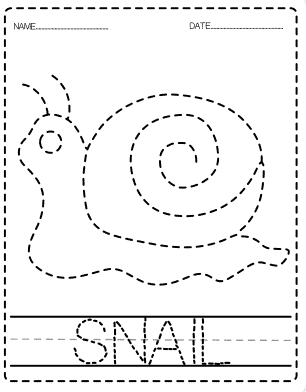
I put together a free printable tracing workbook featuring 10 different animals: snail, pig, elephant, bear, fish, rabbit, lion, squirrel, camel, and giraffe. Keep reading to grab the download and see how to get the most out of it.
Why Tracing Worksheets Matter for Little Hands
Before kids can write letters, they need to build the fine motor control and hand-eye coordination to control a pencil with confidence. Tracing is one of the simplest ways to practice that. It teaches kids to follow a line, control pressure, and move their hand in the directions (straight, curved, zigzag) that letters eventually require.
It’s also a great bridge activity for kids who aren’t quite ready for free-form writing yet, but are past the scribbling stage.
What’s Inside the Workbook
This set includes 10 animal tracing pages:
? Snail | ? Pig | ? Elephant | ? Bear | ? Fish | ? Rabbit | ? Lion | ?? Squirrel | ? Camel | ? Giraffe
I picked this mix on purpose. The variety of shapes means kids practice different types of strokes:
- Snail ? spirals and curves
- Giraffe ? long vertical lines
- Fish ? wavy, fluid lines
- Elephant & Bear ? big, rounded shapes
- Lion & Squirrel ? shorter, choppier lines (mane and tail details)
That range matters. It’s the same kind of variety kids need before they can confidently write letters like “S,” “L,” and “O.”
How to Use These Worksheets
A few tips to get more mileage out of the workbook:
Laminate the pages
Laminate the pages (or slide them into a page protector) and use dry-erase markers so kids can trace the same animal over and over.
Verbal Directions
Start with verbal guidance like “start at the dot, follow the curve” before letting them go solo.
Pair Them With The Real Animal
Look up a quick photo or video of each animal before tracing it, especially for ones like camels or squirrels that toddlers may not be familiar with.
Best for ages 3-5
While best for ages 3-5, younger toddlers can do a simplified version with finger tracing first.
Download the Free Workbook
